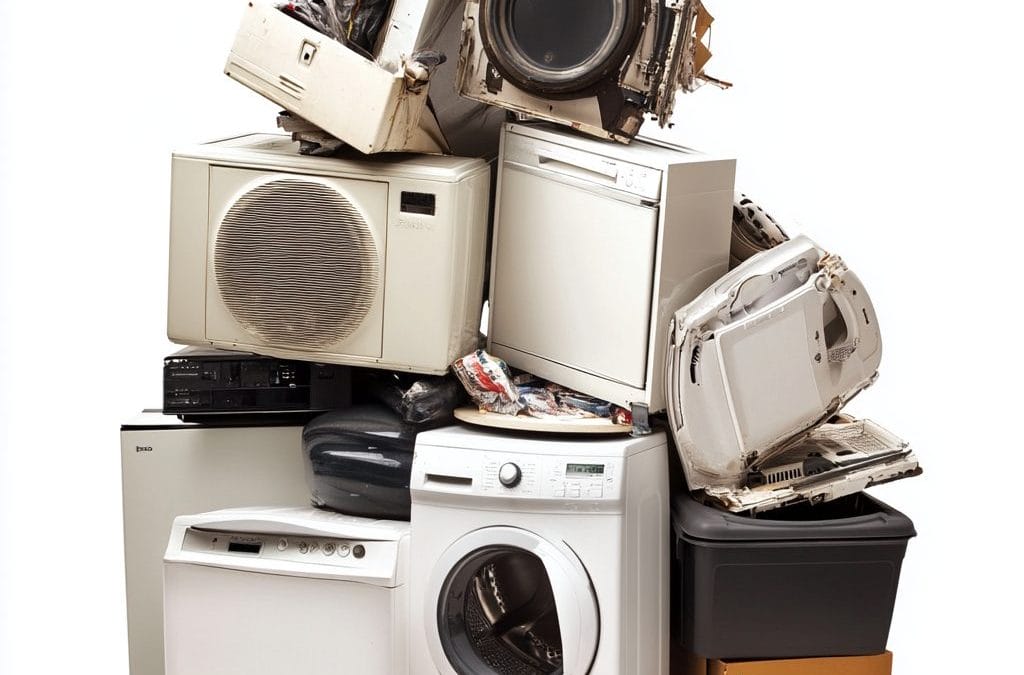
Whether it is a washing machine that has finally given up, a cooker coming out during a kitchen refit, or a cupboard full of old kettles, toasters and tangled chargers, old appliances need a little more thought than ordinary rubbish. Anything with a plug, battery or cable counts as waste electrical and electronic equipment (WEEE), and it should be reused or recycled rather than put in your general waste bin. In Glasgow, your main options are retailer take-back, a household waste recycling centre, passing working items on, or a collection from a registered waste carrier such as Jettison Express. Large appliances can go as a bulky uplift, and our waste disposal and recycling page explains where they end up.
Start by sorting what you have
Before you book anything, walk round the house and make a list. Sorting appliances into three groups makes every next step easier:
- Working and in good condition: candidates for selling, donating or giving to family.
- Large and broken: washing machines, tumble dryers, dishwashers, cookers, fridges and freezers that need recycling.
- Small electricals: microwaves, kettles, toasters, hairdryers, vacuum cleaners, power tools, games consoles and the like.
Knowing roughly how many items you have, and how big they are, also helps you get an accurate quote.
Large appliances: washing machines, cookers and dishwashers
Retailer take-back
Shops that sell electrical goods must take back an old item of the same type when you buy a new one, and must give you at least 28 days to bring it in. Buy a new washing machine and the retailer has to accept your old washing machine. Retailers may charge to collect from your home, so check the cost when you order and make sure the old machine is disconnected before the delivery team arrives. The government guidance on in-store take-back explains the rules in full.
Household waste recycling centres
Glasgow residents can take electricals and white goods to Dawsholm, Polmadie or Shieldhall, open 8am to 6pm, seven days a week, with no booking needed. Easter Queenslie closed for redevelopment from April 2026. Vans are only accepted at Shieldhall and Dawsholm at set times. In Edinburgh, recycling centres work by booked appointment, and vans and trailers need a booked slot and ID.
Small electricals
Small electricals should never go in the general waste bin. Large shops, meaning those with more than 400 square metres of sales space, must accept very small electrical items under 25cm free of charge from anyone, whether or not you buy something. That covers things like phones, chargers, electric toothbrushes, hairdryers and small kitchen gadgets. Bigger items such as microwaves and vacuum cleaners can go to a recycling centre or be collected along with your larger appliances. Take out any removable batteries first and recycle them separately.
Donate appliances that still work
A working appliance is worth far more to someone else than to a recycling plant. Offer it to family and friends, list it on a local selling or giveaway group, or use Zero Waste Scotland's national reuse tool, which Glasgow and other councils point residents towards. Some furniture reuse charities take electrical items but may have conditions, so ask before you drop anything off.
Do not forget the data on smart appliances
Many modern appliances are connected to the internet: smart TVs, smart speakers, connected fridges, robot vacuums and video doorbells. They can hold account logins, Wi-Fi passwords, voice recordings or even a map of your home. Before you let one go:
- sign out of every account and remove the device from its app;
- run a factory reset from the settings menu;
- remove any memory cards.
Businesses have a legal duty under UK GDPR to keep personal data secure, including when disposing of IT equipment. For computers, laptops and hard drives, our hard drive and IT disposal service covers secure wiping or physical destruction with a certificate. For screens and televisions, see our guide to monitor and TV disposal.
Getting appliances ready for collection
- Washing machines and dishwashers: turn off the water supply, disconnect the hoses and drain any water left in the machine. Put towels down first.
- Cookers: a gas cooker must be disconnected by a qualified gas engineer, and a hard-wired electric cooker by a qualified electrician. Book this before collection day.
- Fridges and freezers: switch off and defrost the day before. Our guide on how to dispose of a fridge responsibly explains why they need special treatment.
- Tumble dryers: empty the water tank on condenser models.
- Everything: empty it, unplug it, tape doors shut and clear a route to the front door.
Questions to ask a removal company
If you decide to pay someone to take your appliances, a few questions will tell you whether they are the right choice:
- Are you a registered waste carrier? Under the duty of care you must only give waste to an authorised person, and you can check any carrier on the SEPA public register.
- Which appliances do you take? Ask whether anything is excluded.
- How is the price worked out? A clear, up-front rate avoids surprises.
- Where do the appliances go? Look for a firm that sorts waste for reuse and recycling.
- Will I get paperwork? You should.
How Jettison Express can help
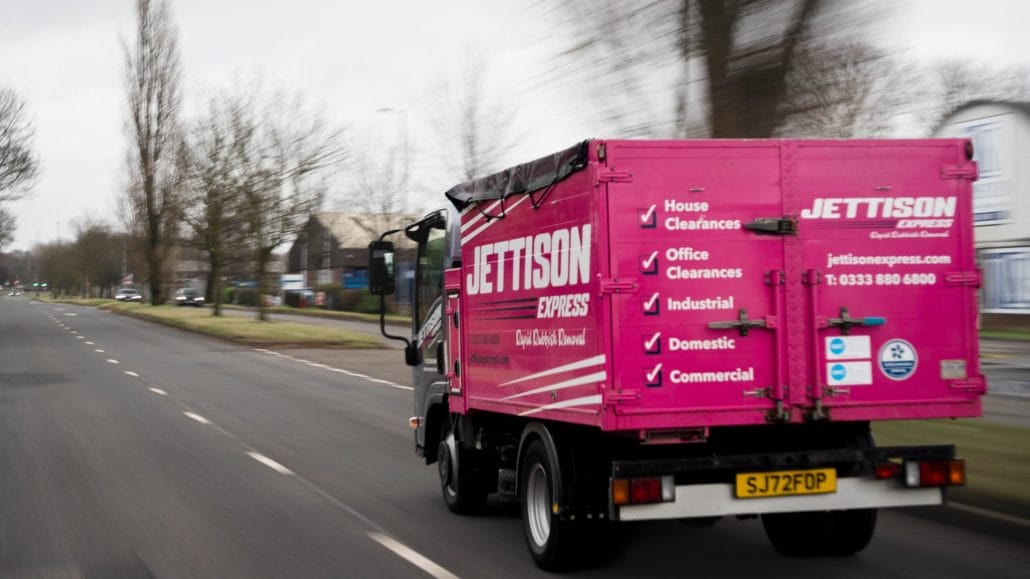
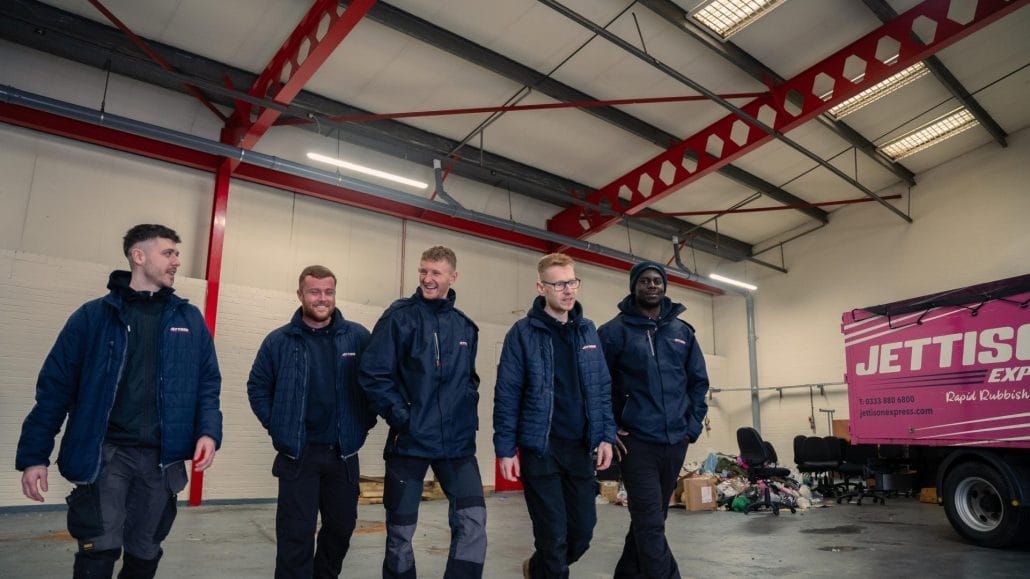
Jettison Express removes old appliances from homes and businesses across Glasgow and central Scotland. We can take a single washing machine through our junk removal service, or every appliance in the house as part of a full house clearance. Our uniformed team call ahead, carry everything out for you and give you an up-front rate before work starts. Everything goes back to our depot to be sorted for recycling, we recycle over 90% of what we collect, and we leave paperwork once the job is complete. You can read more about what happens to your unwanted items after a clearance.
Ready to clear out your old appliances? Contact Jettison Express or call 0333 880 6800, Monday to Friday 8am to 6pm, for a quote.
Frequently asked questions
How do I get a washing machine ready for collection?
Turn off the water and electricity, disconnect the hoses and drain any water left in the drum and the filter. Leave the door open for a day so it dries out, then secure it before the machine is moved. If you are not sure how to disconnect it safely, ask a qualified plumber or electrician first.
Do shops have to take back my old appliance?
Shops that sell electrical goods must take back an old item of the same type when you buy a new one, giving you at least 28 days to bring it in. So a new cooker means the shop must accept an old cooker. Retailers may charge to collect the old appliance from your home, so check the cost before you order.
Can I put small electricals in my household bin?
No. Kettles, toasters, chargers, hairdryers and other small electricals should be recycled, not binned. Large shops with more than 400 square metres of sales space must accept very small electrical items under 25cm free from anyone, even if you buy nothing. You can also take small electricals to a household waste recycling centre or include them in a collection.
How do I remove my data from a smart appliance before getting rid of it?
Sign out of every account linked to the device, remove it from its app, then run a factory reset from the settings menu and take out any memory cards. This applies to smart TVs, speakers, doorbells, robot vacuums and connected kitchen appliances. For computers and hard drives, use secure wiping or physical destruction with a certificate.