
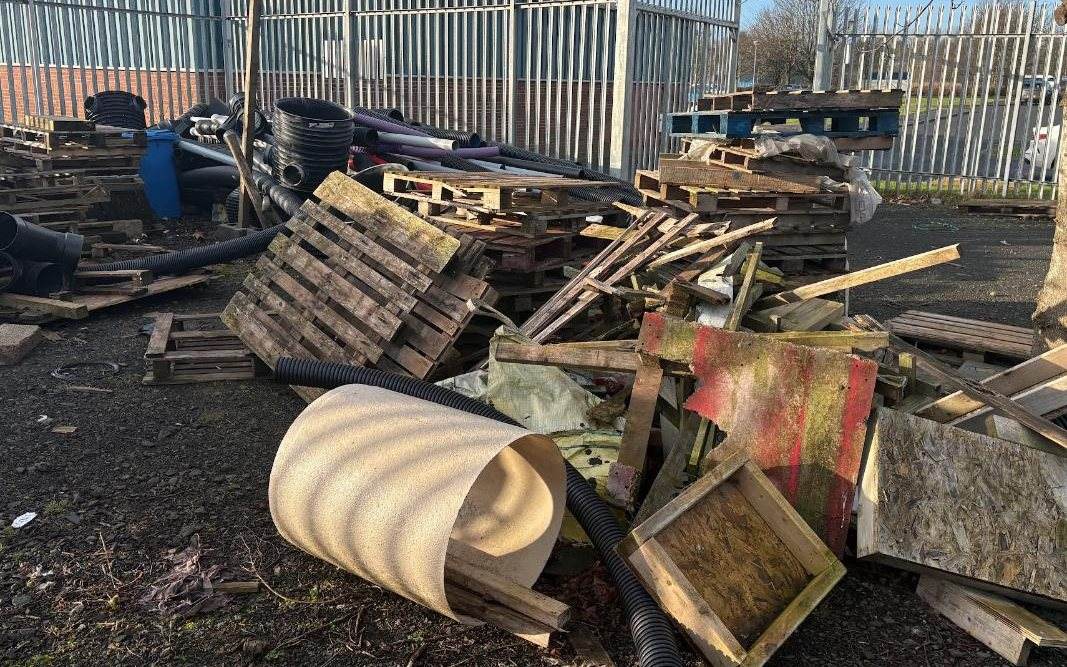
The best ways to prevent fly-tipping are to make your land harder to reach and easier to watch, to keep it tidy so it does not look neglected, to make sure your own waste only goes to a registered carrier, and to clear any dumped waste quickly so it does not attract more. Fly-tippers look for quiet, hidden, untidy spots where they are unlikely to be seen. Take those conditions away and most will go elsewhere.
These tips are for householders, landlords, businesses and landowners across Glasgow and Scotland. If you want to understand the penalties and how to report an incident, read our companion guide on fly-tipping and the law.
Why prevention matters
Fly-tipping spoils neighbourhoods and countryside, can harm wildlife and can put people at risk, especially when the waste contains chemicals, sharp objects or broken building materials. It is also expensive. When waste is dumped on private land, the owner usually has to pay for it to be removed. Preventing it in the first place is always cheaper than clearing it up.
Tips for every property
1. Deal with your own waste properly
The most important step anyone can take is to make sure their own rubbish never ends up dumped. Under the duty of care, householders and businesses in Scotland must only give their waste to an authorised person, such as a waste carrier registered with SEPA. If you pay someone who is not authorised and your waste is later found fly-tipped, you can be held responsible. Always check a collector on the SEPA public register before you hand anything over, and be wary of cheap cash offers on social media or at the door. Our article on why you should avoid the white van man lists the warning signs.
2. Use the legal options available
Never leave unwanted items out on the street, even for a day or two, as they soon attract more dumping. Take them to a household waste recycling centre or have them collected by a registered waste carrier instead.
3. Keep land and property tidy
A neglected corner full of weeds, old furniture or loose bags sends a signal that nobody is paying attention. Keep gardens, yards, car parks and verges tidy and well maintained. If the garden of a rental or empty property has become overgrown, a garden clearance in Glasgow can make it look cared for again.
4. Improve lighting
Fly-tippers prefer to work unseen, often in the evening or at night. Good lighting around entrances, lanes, yards and bin stores makes them easier to spot and puts many off altogether. Motion-activated lights are a simple, low-cost option for most properties.

5. Secure gates and access points
Most large-scale fly-tipping needs a vehicle. Keep gates to fields, yards and car parks locked when not in use, and consider barriers, bollards or height restrictors where vans can pull in easily. Repair damaged fences and close off any gaps that make it easy to drive or carry waste onto your land.
6. Use CCTV and signs
Visible cameras and clear signs warning that the area is monitored are a strong deterrent. Recorded footage can also help the council or police trace the people responsible. If your cameras capture public areas or neighbouring property, check the data protection rules that apply before installing them.
7. Clear dumped waste quickly
One dumped bag soon becomes a pile. Once someone sees that waste has been left in a spot, they assume it is acceptable to add more. If waste is dumped on your land, take photos, report it to the council, and arrange for a registered waste carrier to remove it as soon as you can. Keep the paperwork as proof that it was disposed of properly.
Extra tips for landlords and letting agents
- Clear belongings and rubbish promptly at the end of a tenancy, rather than leaving bags in back courts or gardens.
- Make sure tenants know their bin days and how to get rid of bulky items properly.
- Check empty properties regularly, as void gardens and driveways are a common target.
Our void house clearance service in Glasgow helps landlords and agents get empty properties cleared and ready to let.
Extra tips for businesses and landowners
- Keep commercial bins locked and inside a secure area, and keep waste contained as your duty of care requires.
- Do not stack cardboard or waste outside, where it can be added to or scattered.
- Walk the boundaries of farmland, yards and industrial units regularly so you notice problems early.
- Talk to neighbouring businesses and landowners, and share information about suspicious vehicles.
How Jettison Express can help
Jettison Express is a registered waste carrier, and we dispose of everything we collect legally and responsibly. Our fly-tipping clearance service in Glasgow removes non-hazardous dumped waste from private land, and we can also take away your own unwanted items through our rubbish clearance service, so nothing is left lying around. Everything goes to our depot to be sorted for recycling, with over 90% recycled, and we leave you the paperwork once the job is done. We do not remove hazardous waste or asbestos, which need a licensed specialist.
Been hit by fly-tipping, or want rubbish removed the right way? Contact Jettison Express or call 0333 880 6800.
Frequently asked questions
What is the most effective way to stop fly-tipping on my land?
Combine several measures: keep the land tidy, improve lighting, lock gates and block easy vehicle access, and put up visible CCTV and warning signs. Just as important is clearing any dumped waste quickly, because a pile left in place tends to attract more. Report every incident to the council.
Does CCTV help prevent fly-tipping?
Visible cameras and signs saying an area is monitored are a strong deterrent, and footage can help the council or police identify those responsible. If your cameras record public areas or neighbouring property, check the data protection rules that apply before you install them.
How can I make sure my rubbish is not fly-tipped by a collector?
Only give your waste to an authorised person, such as a waste carrier registered with SEPA. Check the collector on the SEPA public register, ask where the waste is going and keep your receipt or paperwork. Avoid cheap cash offers from unknown collectors, as you can be held responsible if your waste is dumped.
Who pays to remove fly-tipping from private land?
Usually the landowner has to arrange and pay for removal. Take photos and report the incident to the council, then use a registered waste carrier and keep the paperwork. Jettison Express clears non-hazardous fly-tipped waste from private land and sorts it for recycling at our depot.