
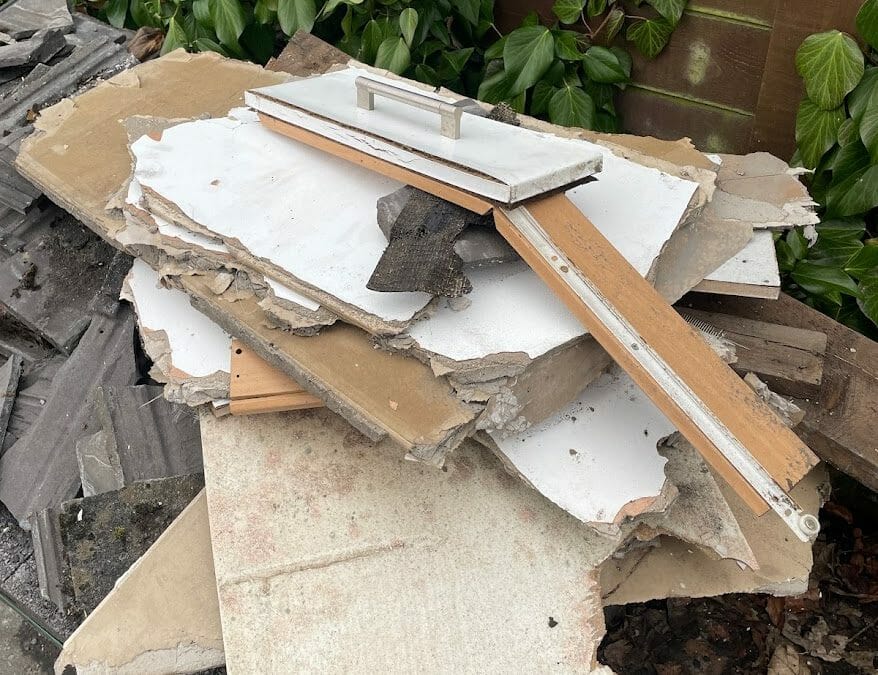
For landlords, letting agents and estate agents, an empty property earns nothing, and a neglected garden or a pile of a former tenant's belongings can hold up a let or a sale for weeks. That is why so many property professionals in Glasgow bring in a clearance company rather than juggling tip runs and odd-job contacts. One call covers the garden, the house and the paperwork, so the property is ready for photographs, viewings or the next tenant. Here is what that looks like in practice, and what to expect when you work with Jettison Express.
The garden is part of the first impression
Whether it is a West End flat with a shared back green, a Southside terrace or a family home in Bearsden with a long rear garden, the outside space is often the first thing buyers and tenants see, in the listing photos and at the door. Overgrown hedges, a heap of rubbish by the bins or a collapsing shed suggest a property that has not been looked after, and people start wondering what else has been missed. A cleared garden photographs better, looks bigger and lets the property speak for itself.
Void properties and end of tenancy clear-outs
When a tenancy ends, it is common to find more left behind than expected: furniture, mattresses, bags of rubbish, broken garden furniture, barbecues, children's toys and a shed full of odds and ends. Our void house clearance service in Glasgow clears the inside and outside of a property in one visit, so the property can move straight on to cleaning, repairs or marketing. For larger jobs or full properties, see our house clearance service in Glasgow. When the next tenant is due to move in within days, our end of tenancy clearance service is planned around your check-out and check-in dates.
Doing it yourself is rarely practical for a void. Glasgow's household waste recycling centres are set up for residents getting rid of their own household waste, not for landlords and agents clearing a rental property, and every week a property sits empty is lost rent.
Sofas and armchairs need particular care. In Scotland, waste upholstered seating may contain persistent organic pollutants, so it must be incinerated rather than landfilled, and it must not be torn up or mixed with other waste. A collector who cuts up a sofa to fit it in a van is not handling it correctly.
Getting a property ready for viewings
A typical pre-letting or pre-sale garden clearance removes:
- overgrowth, cuttings and bags of green waste
- old garden furniture, planters and broken pots
- rubbish left by bins, in side passages and in back lanes
- rotten sheds, fence panels and decking
- soil, rubble and slabs left from past projects
Agree the scope when you ask for a quote, particularly if hedges or brambles need cutting back before the waste is taken away, so everyone knows exactly what will be done on the day.
Paperwork and the duty of care
Property professionals need to know that waste from their properties is disposed of legally. Under the duty of care, waste must only be given to an authorised person, such as a waste carrier registered with SEPA, and anyone can check a carrier on SEPA's public register. Businesses must also complete waste transfer notes and keep waste contained. NetRegs sets out the duties for businesses in Scotland.
This matters because if waste from your property is fly-tipped by someone you paid who was not authorised, you can be held responsible. The fixed penalty for fly-tipping in Scotland rose to £500 on 1 January 2024. Our article on why you should not use an unregistered white van collector covers the warning signs.
Jettison Express leaves paperwork once every job is complete, which gives you a clear record for your files or your landlord client. Our accreditations, including ISO 9001:2015, ISO 14001:2015, SafeContractor approval and Living Wage Employer status, also help agencies that need to vet their contractors.
When a tenant has died
Some clearances follow the death of a tenant, and they need care and sensitivity. Belongings usually remain the responsibility of the executor, so landlords and agents should agree arrangements with the family or their solicitor before anything is removed. In social housing, if someone qualifies to take over the Scottish secure tenancy but does not want it, they must tell the landlord in writing within four weeks of the tenant's death, and landlords normally expect belongings to be removed so the property can be returned. Our guide to who clears a house when someone dies in Glasgow explains the process for families, and where a death was not discovered for some time, our unattended death clearance service can help.
Reliability that fits a busy diary
Landlords and agents are juggling repairs, inspections, viewings and tenant queries. A clearance contractor should take work off that list, not add to it. In practice that means:
- up-front rates, so you can budget or pass a clear figure to your landlord client
- a call ahead when the team is on its way
- friendly, uniformed staff who represent your business well in front of neighbours
- all lifting, loading and dismantling done by the team, with a final sweep and tidy
- the same process every time, so each new void is one phone call
Keeping gardens under control during a tenancy
Most garden problems at the end of a tenancy started long before it. Make garden responsibilities clear in the tenancy agreement, check the outside space at routine inspections, and act early if rubbish starts to build up. Piled-up junk attracts pests, fly-tipping and complaints from neighbours, as our article on the hidden dangers of letting garden junk pile up explains. A single mid-tenancy clearance is far cheaper than dealing with rats or a damaged fence later.
How Jettison Express can help
Jettison Express is a Glasgow based clearance and waste management company with over 65 years of combined industry experience and more than 780 completed projects. Our garden clearance team in Glasgow works for landlords, letting agents, estate agents and solicitors, clearing gardens, houses and outbuildings in one visit. Everything goes to our depot to be sorted, and we recycle over 90% of what we collect. We remove non-hazardous waste only, so asbestos and chemicals need a specialist contractor.
To discuss a void, an end of tenancy clear-out or a garden that needs attention before viewings, contact our team or call 0333 880 6800, Monday to Friday, 8am to 6pm.
Frequently asked questions
Can you clear the garden and the inside of a void property in one visit?
Yes. Jettison Express can clear furniture, bags of rubbish and belongings from inside the property, empty sheds and outbuildings, and remove garden waste and junk in the same visit. We remove non-hazardous waste only. Let us know what is there when you ask for a quote so we can plan the job properly.
Do you provide paperwork for landlords and letting agents?
Yes. We leave paperwork once every job is complete. Under the duty of care, waste must only be given to an authorised person such as a registered waste carrier, and businesses must complete waste transfer notes. Keeping the paperwork gives you a record that waste from your property was handled legally.
What paperwork should I get after a clearance?
A registered waste carrier should give you a waste transfer note or a similar record showing what was removed and where it went. Keep it with your property records, because under the duty of care you need to be able to show that your waste went to an authorised person.
What should a landlord do with an old sofa left by a tenant?
In Scotland, waste upholstered seating such as sofas and armchairs may contain persistent organic pollutants. It must be incinerated rather than landfilled and must not be torn up or mixed with other waste. Use a registered waste carrier who will keep it separate and send it for the correct treatment.
Who is responsible for a deceased tenant's belongings?
The executor is usually responsible for the deceased's belongings, so landlords should agree arrangements with the family or their solicitor. In social housing, someone who qualifies to take over the tenancy but does not want it must tell the landlord in writing within four weeks of the death. Check timescales with the landlord.