
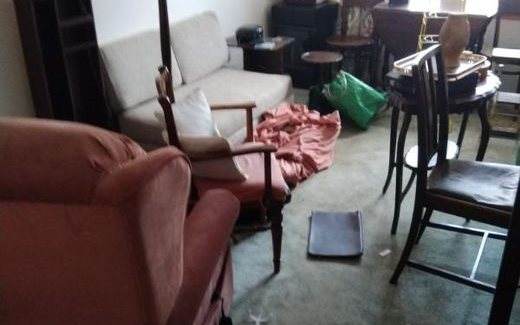
An executry clearance is the clearing of a home and its contents after someone has died, carried out as part of the executry, which is the Scottish process of administering their estate. It is the Scottish name for what English firms call a probate clearance. The difference from an ordinary clearance is that the executor is in charge: nothing is sold, shared or thrown away without their agreement, and valuables, paperwork and items named in the will are set aside first.
We carry out executry and bereavement clearances in Glasgow for families, executors and solicitors, and we know these jobs need time and care. This guide explains what an executry is, who arranges the clearance, how it works step by step and where it fits in the timeline of an estate in Scotland.
What is an executry in Scotland?
When someone dies in Scotland, everything they owned becomes their estate, including the contents of the home. The executry is the process of gathering that estate in, paying what is owed and passing on what is left. The person who does this is the executor, usually named in the will. If there is no will, or no one able to act, the court appoints an executor-dative.
To deal with most estates, the executor needs confirmation from the sheriff court, the Scottish equivalent of probate. The Scottish Courts and Tribunals Service guide describes confirmation as a court document giving the executor authority to uplift money or property belonging to the person who died, for example from a bank, and to administer and distribute it according to law.
Citizens Advice Scotland sets out four steps to sorting out an estate. The contents of the home are part of the first, which is why the clearance belongs to the executry:
- Valuing the property and possessions.
- Paying debts due from the estate.
- Paying any inheritance tax and filling in the tax forms.
- Applying for confirmation.
Who arranges an executry clearance?
The executor is responsible for the deceased's belongings, so the executor arranges the clearance or gives permission for it. Several people are often involved:
- The executor or executor-dative, who agrees what happens to each item.
- The executry solicitor, if one is acting, who may instruct the clearance, hold the keys and keep the executry file.
- Family members, who often do the sorting and choose keepsakes, with the executor's agreement.
- The landlord or housing association, if the home was rented and must be handed back empty.
- The estate agent, if the house is being sold.
If family members disagree, pause and speak to the solicitor. Citizens Advice Scotland says legal help is usually a good idea if there is a house or land in the estate, the estate is large or there are disagreements.
How is an executry clearance different from an ordinary clearance?
The physical work is similar. What changes is who decides and how carefully it is recorded.
- Instructions come from the executor, not whoever is at the door on the day.
- Keep lists are agreed in advance. Items for family, and anything named in the will, are listed, labelled or moved to one room.
- Valuables and paperwork are set aside. Cash, jewellery, bank letters, deeds and photographs belong to the estate and go back to the executor.
- Valuable contents may need valuing first. The executor must give an inventory of everything the person owned at the time of death when applying for confirmation, so antiques or collections may need a valuation before they leave the house.
- Records matter. Photographs, a keep list and the clearance paperwork help the executor account for the estate.
- Timing is tied to the estate. The clearance usually fits around confirmation, a house sale or the end of a tenancy.
- Sensitivity comes first. This was someone's home.
Our guide to what happens to valuables found during a house clearance explains how finds should be handled.
Is it okay to clear a house before confirmation?
Often the full clearance waits until confirmation is granted, because the executor then has clear authority, but not always: a landlord may need a rented home back, or an empty house may be at risk. With the executor's agreement, securing the home, removing food and finding paperwork are generally sensible. Selling, giving away or disposing of anything of value before the executor has authority is risky, and Scots law calls unauthorised dealing with an estate vicious intromission. Our guide to clearing a house before confirmation in Scotland explains more.
How does an executry clearance work, step by step?
- Agree who is in charge. Confirm the executor, whether a solicitor is acting and who holds the keys.
- Secure the home. Lock up, collect the post, remove perishable food and tell the insurer the home is empty, as insurers often have conditions for unoccupied homes.
- Search for paperwork and valuables. Look for the will, bank and pension letters, deeds, cash and jewellery, and hand them to the executor.
- Make a record. Photograph each room and arrange valuations where needed.
- Agree the keep list. Family choose keepsakes with the executor's agreement, and items named in the will are set aside.
- Decide what can be sold. The executor may sell items with resale value for the estate first.
- Get a written quote. Mention the loft, garage and garden, and access such as tenement stairs.
- Clear the property. The team removes everything agreed and keeps anything unexpected aside.
- File the paperwork. Keep the invoice and waste paperwork with the executry records.
What happens to the items?
- Kept by family members, as agreed with the executor.
- Passed to the people named in the will.
- Returned to the executor, such as cash, jewellery and documents found during the clearance.
- Sold for the benefit of the estate, if the executor chooses.
- Donated, reused or recycled.
- Securely destroyed, such as old bank statements, through confidential waste disposal.
At Jettison Express everything we remove goes to our Glasgow depot to be sorted, and over 90% is reused or recycled.
What is an executry sale?
An executry sale is the sale of property, usually the deceased's house or flat, by the executor as part of the executry. In Scotland a buyer will normally expect the property to be empty of the seller's belongings by the date of entry, apart from anything agreed in the missives, with no rubbish left and the home reasonably clean and tidy. So the clearance is usually planned around the sale. Check the missives with the solicitor.
How long does an executor have to finalise an estate in Scotland?
There is no single timetable that fits every estate. Citizens Advice Scotland says executors must normally wait at least six months from the date of death before distributing the estate. Before that, the executor values the estate, obtains confirmation and settles the debts, which are paid out of the estate first. A house to sell usually adds time. The solicitor can give you a realistic timescale.
Where the clearance fits
An owned home is often cleared and sold once confirmation is granted. A rented home usually has to be cleared sooner, because the landlord needs the keys back. Wheatley Homes Glasgow, for example, asks tenants ending a tenancy to give at least four weeks' notice in writing and to leave the home clean and empty. Our void property clearances are set up for that kind of handover.
Council tax while the house is empty
In Glasgow, a council tax exemption can apply when a home is empty because the person liable has died, but the executor must apply for it. There is no statutory time limit before confirmation. Once confirmation is granted, the exemption lasts a maximum of six months, then unoccupied property charges apply. That window is often the practical deadline for clearing and selling, so plan early. Other Scottish councils have their own rules, so check with yours.
How Jettison Express can help
We clear homes for families who have lost a loved one and for solicitors handling executry clearances across Glasgow and central Scotland, including house clearances in Rutherglen. You can expect:
- An up-front rate before any work starts.
- A friendly, uniformed and insured team who call ahead when they are on their way.
- Keepsakes, papers and valuables set aside, as agreed with the executor.
- Furniture dismantled, carpets lifted and a final sweep and tidy.
- Everything sorted at our Glasgow depot, with over 90% reused or recycled.
- A registered waste carrier, with paperwork left once the job is complete.
We do not remove asbestos or hazardous waste. If you are unsure how the cost is handled, read who pays for a house clearance after a death in Scotland.
For an executry clearance quote, get in touch with Jettison Express or call us on 0333 880 6800. We will talk you through the job and give you a clear, up-front rate.
Frequently asked questions
What is an executry clearance?
An executry clearance is the clearing of a deceased person's home and belongings as part of the executry, the Scottish process of administering their estate. It is the Scottish equivalent of a probate clearance. The executor gives the instructions, and keepsakes, valuables and paperwork are set aside first.
What is an executry in Scotland?
An executry is the process of dealing with someone's estate after they die in Scotland. The executor values the money and property, applies to the sheriff court for confirmation, pays debts and any tax, and then distributes what is left. If there is no executor, the court appoints one, called an executor-dative.
Who arranges an executry clearance?
The executor is responsible for the deceased's belongings, so the executor arranges the clearance or agrees to it. Often the executry solicitor instructs the clearance company and holds the keys, while family members sort keepsakes with the executor's agreement. If the home was rented, the landlord will also want it emptied.
Is it okay to clear a house before confirmation?
Preparing is generally sensible with the executor's agreement: securing the home, removing perishable food, photographing rooms and finding paperwork. Selling, giving away or disposing of anything of value before the executor has authority is risky, because Scots law treats unauthorised dealing with an estate as vicious intromission. Ask the executor or their solicitor first.
What is an executry sale?
An executry sale is the sale of property, usually the deceased's home, by the executor as part of the executry. In Scotland the buyer will normally expect the property to be empty of belongings by the date of entry, apart from anything agreed in the missives, so the clearance is usually planned around the sale.
How long does an executor have to finalise an estate in Scotland?
There is no single timetable for every estate. Citizens Advice Scotland says executors must normally wait at least six months from the date of death before distributing the estate. Confirmation, debts and a house sale can all add time, so ask the solicitor for a realistic timescale.